

Treasury & Operations
Why Verify Customer Identities Before Payments?
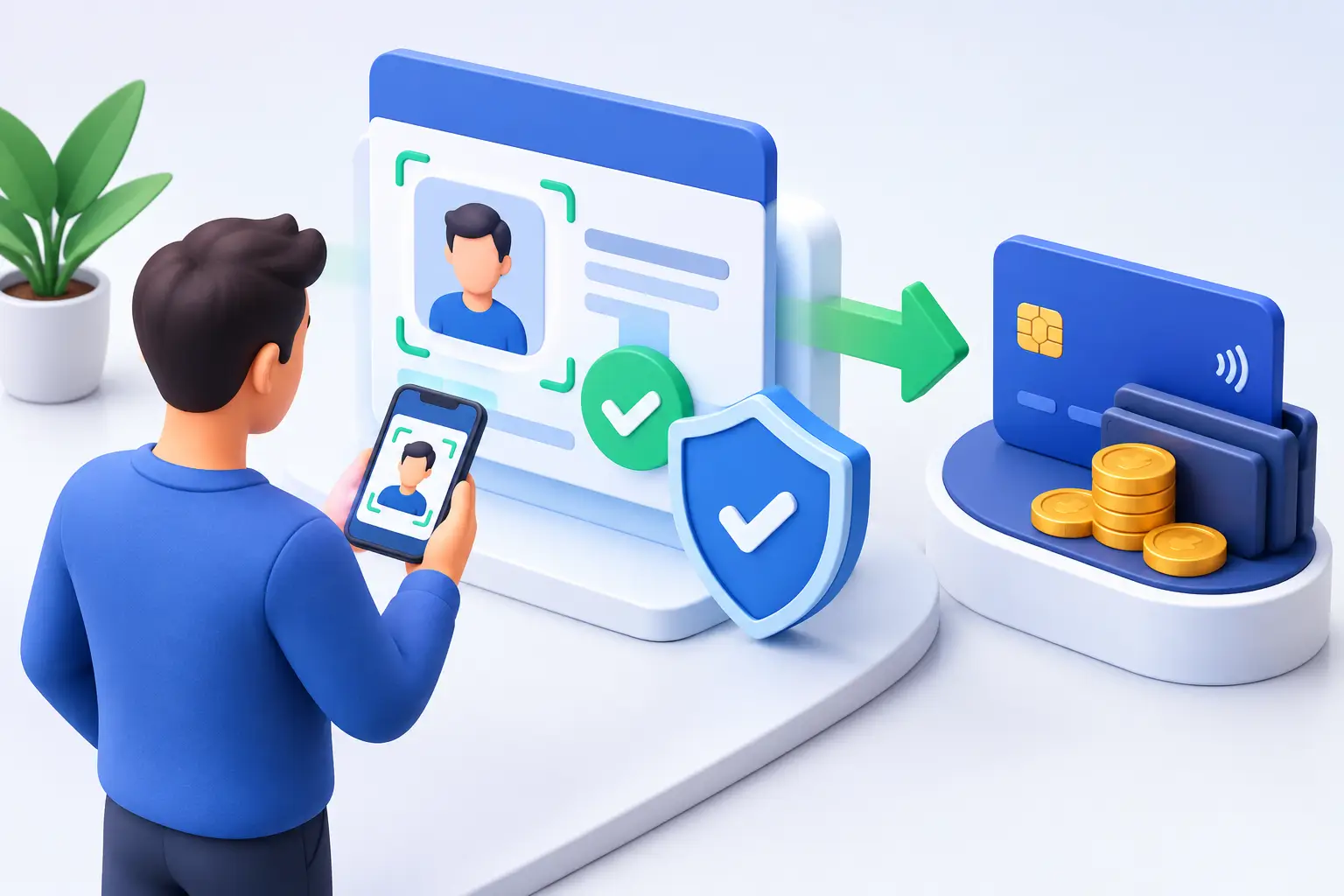
A cross-border payment can move through several countries, currencies, banks, and compliance checks in minutes. If the sender or recipient cannot be confidently identified, that speed quickly becomes a risk. That is why verify customer identities is a central question for any individual or business moving money internationally - especially across Africa-to-global payment corridors.
Identity verification is not simply a form to complete before using a financial service. It is the process that helps payment providers confirm who a customer is, assess whether a transaction is legitimate, and protect the wider payment network from misuse. Done well, it supports faster decisions, safer transfers, and more dependable access to global financial services.
Why Verify Customer Identities Before a Transaction?
When money changes hands, trust must be established before settlement. A verified identity connects a transaction to a real person or registered business, creating an accountable record for the payment provider, banking partners, and relevant regulators.
For individuals, this can mean greater confidence that an account is protected against impersonation and unauthorized activity. For businesses, verification creates a stronger foundation for paying suppliers, receiving international customer payments, managing payroll, or settling invoices across borders.
The need is particularly clear when a transaction involves currency conversion. FX payments often move quickly and may be difficult to reverse once funds have been delivered. Verifying the parties involved before execution helps reduce the chance that a legitimate customer, merchant, or finance team is pulled into a fraudulent instruction.
Verification also helps providers apply the right level of review. A small personal transfer and a high-value business settlement do not carry the same risk. Confirming identity, business ownership, and transaction context allows compliance teams to distinguish normal activity from behavior that requires further checks.
Identity Verification Helps Stop Fraud Earlier
Fraud is more expensive than a failed payment. It can result in lost funds, account restrictions, delayed supplier deliveries, damaged commercial relationships, and time-consuming investigations. Identity checks are one of the earliest controls available to prevent those outcomes.
A strong verification process can help identify warning signs such as stolen identity details, synthetic identities, duplicate accounts, impersonated company representatives, and documents that have been altered or are no longer valid. It does not eliminate all risk, but it makes it much harder for bad actors to use a payment platform anonymously.
For a business accepting payments or paying overseas vendors, this protection is practical. Imagine a finance employee receiving revised bank details from a supplier by email. The request may look convincing, but if the beneficiary profile, company information, and authorized representative do not align, verification controls can trigger a review before funds leave the account.
For retail customers, the value is equally direct. Strong checks reduce the chance that someone can open or take over an account using another person's details. They also help ensure that support teams can confidently assist the genuine account holder when a device changes, a password is reset, or a payment needs to be investigated.
Protection Without Treating Every Customer as a Risk
Effective verification should be proportionate. Customers expect security, but they also expect a clear process that does not create unnecessary delays for ordinary activity. The goal is not to make every payment difficult. It is to use reliable information and risk-based checks to focus attention where it is needed.
That balance matters for entrepreneurs and import-export operators who may need to pay overseas suppliers on a tight schedule. A well-designed process collects the required information early, validates it efficiently, and reduces avoidable back-and-forth when a time-sensitive transaction is ready to settle.
Compliance Keeps Cross-Border Payments Moving
Financial institutions and payment companies operate under anti-money laundering, counter-terrorist financing, sanctions, and customer due diligence obligations. Customer identity verification is a core part of meeting these responsibilities.
Without verified customer information, providers may be unable to process certain transfers, support higher transaction limits, or maintain relationships with banking and liquidity partners. In practical terms, weak identity controls can make international payments slower, more expensive, or unavailable altogether.
For businesses, compliance is not only a provider concern. A company that can demonstrate who it is, who owns it, and why it is making a payment is better positioned to build trusted relationships with international partners. Clear documentation can reduce friction when opening accounts, onboarding new vendors, or explaining the purpose of a large settlement.
The exact documents required depend on the customer type, transaction value, country corridor, and risk profile. An individual may need to provide government-issued identification and proof of address. A business may need registration records, ownership details, director information, and evidence of its operating activity. Higher-risk cases may require additional source-of-funds or source-of-wealth information.
This is sometimes perceived as inconvenient, particularly when a payment is urgent. But the alternative is a system where funds can move without accountability. That environment harms legitimate users first because it attracts fraud, increases scrutiny, and leads providers to impose broader restrictions.
Better Data Leads to Better Customer Service
Verification is often discussed only in terms of regulation, yet its operational value is just as significant. Accurate customer data helps payment providers deliver more relevant support and resolve issues faster.
When a support agent can confirm the identity of an account holder, they can handle sensitive requests with greater confidence. When a business profile includes verified legal and ownership information, payment instructions can be reviewed against the correct company context. This reduces uncertainty during urgent cases, such as an account access issue or a delayed beneficiary payment.
For finance teams, verified records also improve internal control. Team members can be assigned appropriate access, authorized signatories can be documented, and payment approval workflows can be structured around real roles rather than shared credentials. This matters as a business grows from occasional international transfers to regular multi-country settlements.
There is a privacy responsibility here as well. Providers should collect information for a clear purpose, protect it with appropriate security measures, and avoid requesting data that is not necessary for the service or risk assessment. Customers should understand why information is requested and how to submit it safely.
What a Good Verification Experience Looks Like
A good identity verification process is clear, secure, and designed around the customer's actual use case. It explains what is needed upfront, gives practical guidance on acceptable documents, and alerts customers quickly if a submission cannot be approved.
Speed matters, but accuracy matters more. Automated checks can reduce manual processing and help legitimate customers get started sooner. However, some cases require a human review, particularly when documents are unclear, a business has a complex ownership structure, or a transaction falls outside normal activity. That additional review is not necessarily a problem. It is a safeguard that can protect the customer and the payment itself.
Customers can help avoid delays by submitting current, readable documents, using details that match across records, and providing a clear transaction purpose when requested. Businesses should keep company registration information current and ensure that people initiating payments have the proper authority.
At ParkPay, identity and customer due diligence tools support a safer approach to FX, payment processing, and cross-border settlement. The purpose is straightforward: help legitimate customers move money with confidence while applying the controls required for secure international financial activity.
Why Verified Customers Build Stronger Payment Networks
Every verified customer strengthens the payment ecosystem around them. Banks, payment partners, merchants, suppliers, and customers can transact with greater confidence when there is a reliable basis for knowing who is involved.
This matters most in international commerce, where the parties may never meet in person and may operate under different legal systems, currencies, and business practices. Verification provides a practical layer of assurance before funds move. It supports transparency without slowing down legitimate trade more than necessary.
For individuals sending money abroad, verification protects access to a service they rely on. For businesses, it helps create the credibility needed to grow beyond local markets. The next time a provider asks for identity or business information, treat it as part of the payment process itself: a necessary step toward safer, more reliable movement of money.