

Treasury & Operations
What Is Payment Screening and Why It Matters
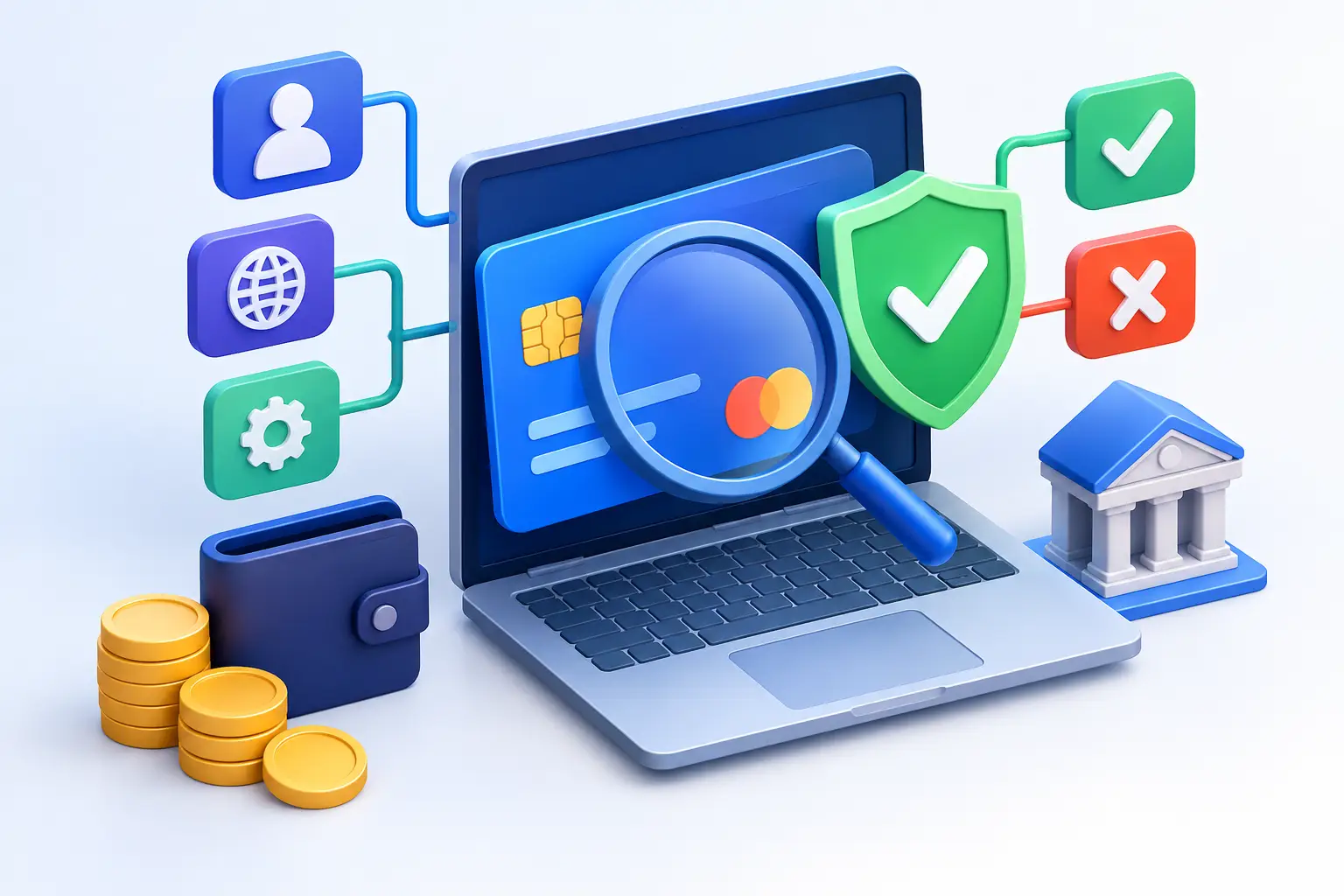
A cross-border payment can look straightforward: one business sends funds, another receives them, and the transaction is complete. In practice, every payment carries information that must be assessed before funds move. So, what is payment screening? It is the process of checking payment details against sanctions lists, internal risk rules, and other compliance data to identify transactions that may be restricted, suspicious, or require further review.
For importers, exporters, finance teams, and individuals moving money between Africa and global markets, payment screening is a critical control. It helps prevent avoidable delays, protects businesses from regulatory exposure, and supports safer international settlements.
What Is Payment Screening?
Payment screening is a real-time or near-real-time compliance check applied to a transaction before, during, or sometimes after it is processed. A payment provider, bank, or financial institution reviews key details within the payment instruction, including the sender, beneficiary, banks involved, countries, currencies, and payment reference.
The goal is not to reject legitimate payments. The goal is to identify whether a transaction involves a sanctioned person or organization, a prohibited jurisdiction, a high-risk party, or payment information that needs investigation. If the screening system detects a potential match, it creates an alert for further assessment.
For example, a company paying an overseas supplier may enter a beneficiary name that closely resembles a name on a sanctions list. The system does not assume the supplier is sanctioned. Instead, it flags the similarity so a compliance team can compare details such as address, date of birth, registration number, country, and banking information before making a decision.
Why Payment Screening Matters for International Transfers
International payments travel through a network of banks, payment institutions, correspondent partners, and local clearing systems. Each participant may have legal and regulatory obligations. A payment that conflicts with sanctions requirements or internal risk policies can be delayed, rejected, frozen, or reported to the appropriate authorities.
For businesses, the cost is more than inconvenience. A delayed supplier payment can affect inventory. A rejected payroll transfer can create employee issues. Repeated compliance exceptions can strain banking relationships and consume valuable operations time.
Effective payment screening helps organizations reduce these risks while keeping legitimate transactions moving. It supports four practical outcomes:
- Compliance with sanctions and financial crime requirements
- Earlier detection of potentially fraudulent or unusual activity
- Fewer preventable payment returns and operational delays
- Better documentation for audits, investigations, and partner reviews
The value is especially clear in multi-country trade and FX transactions, where names, addresses, currencies, and counterparties may vary across systems. A structured screening process brings consistency to decisions that cannot safely be made on instinct alone.
What Information Is Screened?
A screening engine reviews the data included in a payment message. The exact fields depend on the payment rail, the jurisdiction, and the provider's risk framework, but screening commonly covers the ordering customer, beneficiary, intermediary banks, receiving bank, and narrative or reference fields.
Names are a major focus because sanctions lists and watchlists identify people, companies, vessels, and organizations that may be restricted from receiving or sending funds. Screening also considers countries, locations, bank identifiers, account details, and the purpose of payment where available.
The payment reference matters more than many users realize. Vague, misleading, or unusual wording can create questions, particularly when a transaction involves sensitive goods, restricted regions, or a counterparty with limited information. A clear commercial description, supported by accurate invoices and contracts where appropriate, makes compliance reviews faster and more defensible.
Sanctions Screening, Fraud Checks, and KYC Are Different
These controls work together, but they are not the same thing.
Sanctions screening checks whether a person, entity, country, or other payment-related detail appears on relevant sanctions or watchlists. It is primarily concerned with legal restrictions and financial crime compliance.
Fraud monitoring looks for behavior that may indicate unauthorized or deceptive activity. It may assess patterns such as an unfamiliar device, a sudden change in beneficiary details, an unusually large payment, or multiple rapid transactions that do not match normal account activity.
Know Your Customer, or KYC, happens mainly at the customer onboarding and review stage. It verifies who a customer is and helps establish the expected purpose and nature of their activity. Payment screening applies those risk controls to the actual movement of funds.
A verified customer can still make a payment that needs screening. Likewise, a clean payment does not remove the need for ongoing customer due diligence. Strong compliance programs connect these processes without treating them as interchangeable.
How the Payment Screening Process Works
The process begins when a customer creates a transfer or when a business submits a payment file through a platform or API. The system extracts relevant payment data and compares it against applicable watchlists, sanctions data, internal blacklists, and risk rules.
If there is no match and no rule is triggered, the payment can continue through the normal authorization and settlement workflow. If there is a possible match, the transaction may be temporarily held while a trained analyst reviews the alert.
This review is essential. Screening tools can identify similarities, but they cannot always determine whether two names refer to the same person or company. Common names, spelling variations, transliterations, and incomplete information can produce false positives. An analyst resolves the alert by comparing the payment details with reliable customer and counterparty data.
The result may be a release, a request for additional information, a rejection, or an escalation based on the institution's policies and legal obligations. The decision and supporting evidence should be recorded. This creates an audit trail and helps improve future screening rules.
Why Accurate Payment Data Reduces Delays
Many screening delays begin with incomplete or inconsistent instructions. A beneficiary name that does not match the bank account holder, a missing address, or a vague payment purpose can turn a routine transfer into a manual review.
Businesses can reduce friction by keeping supplier and customer records current, validating beneficiary information before releasing payments, and using consistent naming across invoices, contracts, and bank instructions. Finance teams should also avoid abbreviations that obscure the true purpose of a transaction.
This does not mean every payment will clear instantly. A legitimate transaction can require review because of the countries involved, the industry, or a close name match. The difference is that accurate, well-supported information allows a compliance team to resolve the question quickly rather than repeatedly request clarification.
The Trade-Off Between Speed and Control
Payment screening can add a review step, and that may feel at odds with the need for fast settlement. But removing controls is not a practical route to faster payments. A payment that moves quickly only to be recalled, blocked, or questioned by a downstream bank creates more disruption than a short, well-managed review.
The better approach is efficient compliance. Automation can screen high volumes of transactions consistently, prioritize the most relevant alerts, and allow straightforward payments to proceed without unnecessary intervention. Human expertise remains necessary for complex cases, particularly when ownership structures, sanctioned jurisdictions, or unusual trade patterns are involved.
For businesses operating across African and international corridors, the right balance depends on transaction volume, counterparties, markets, and regulatory exposure. A small business paying a known supplier may need a simple, reliable workflow. A company managing multi-country settlements may require API-based controls, approval levels, audit records, and tailored risk rules.
What to Look for in a Payment Partner
A capable payment partner should treat screening as part of a broader payments and compliance operation, not as an afterthought. Look for clear transaction status updates, transparent requests for supporting documents, defined escalation processes, and a team that understands the practical realities of cross-border trade and FX.
Technology also matters. Systems should handle name variations intelligently, retain clear records, and integrate with identity verification and customer due diligence processes. At the same time, customers need access to knowledgeable support when a payment requires explanation or documentation.
ParkPay combines cross-border payment capabilities, FX execution, and compliance-focused tools to help customers move funds with greater control and confidence. The objective is straightforward: protect legitimate transactions without creating unnecessary friction for the people and businesses behind them.
A well-prepared payment is easier to process, easier to explain, and less likely to disrupt your operations. Before sending your next international transfer, make sure the beneficiary details, commercial purpose, and supporting records tell one clear story.